
Wisdom Tooth Extraction
Pain or swelling at the back of your mouth can make eating, speaking, and going about your day uncomfortable. A wisdom tooth may be involved—but an examination is necessary to understand the cause and determine whether removal is appropriate.
Ramos Dental Clinic provides wisdom tooth assessment and extraction in Balibago, Angeles City. We evaluate each patient individually, explain the available options, and provide a treatment recommendation based on the condition and position of the tooth.
What Is a Wisdom Tooth?
Wisdom teeth, also called third molars, are the last teeth at the back of the upper and lower jaws. They commonly begin to appear during the late teens or early adulthood, although their development and position vary from person to person.
A wisdom tooth may:
- Erupt fully and function like another molar
- Erupt only partly through the gum
- Remain completely beneath the gum or jawbone
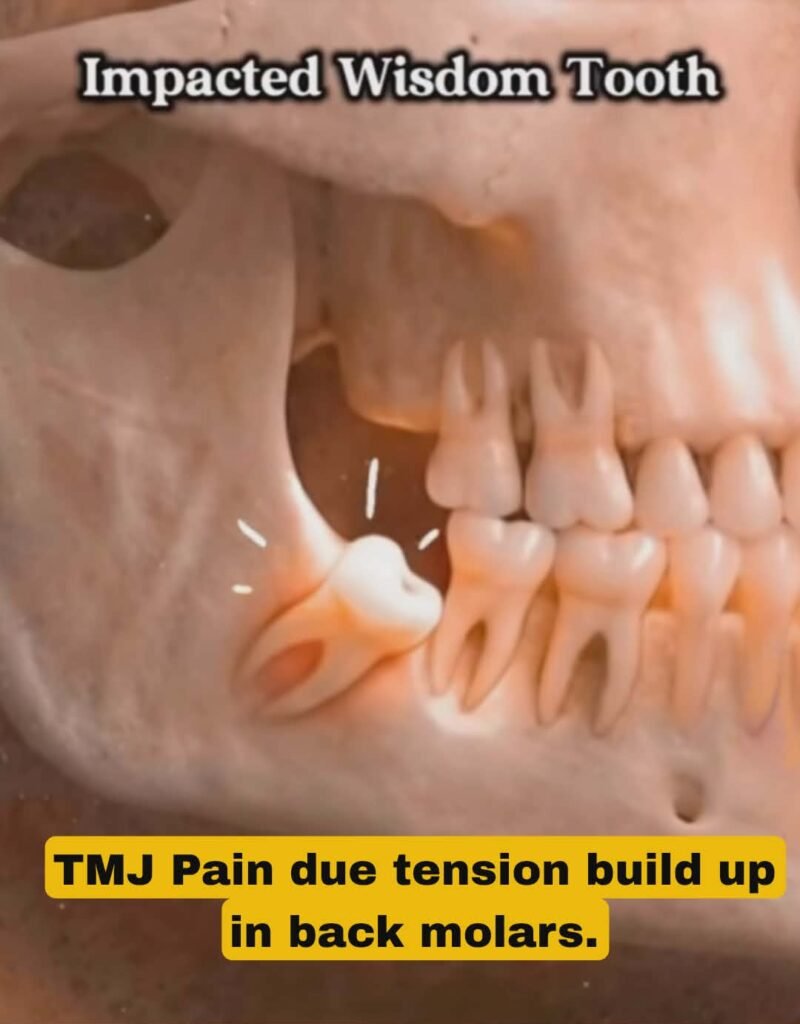
- Grow at an angle toward another tooth or the back of the mouth
A tooth that cannot erupt normally is described as impacted. Some wisdom teeth never cause noticeable problems. Others can become difficult to clean or affect the surrounding gums and teeth. A dental assessment is the best way to determine what is happening in your specific case.
When Might a Wisdom Tooth Need to Be Removed?
Wisdom tooth removal may be recommended when a third molar is causing disease, discomfort, or damage—or when its position creates a significant concern for the surrounding area. Not every wisdom tooth automatically needs to be extracted.
A dentist may consider removal when there is:
- Pain or tenderness around the wisdom tooth
- Repeated swelling or infection of the surrounding gum
- Food and debris frequently becoming trapped around a partly erupted tooth
- Tooth decay that cannot be predictably restored
- Gum disease around the wisdom tooth
- Pressure against or damage to a neighboring molar
- A cyst or another problem affecting the surrounding tissue or bone
- Insufficient space for the tooth to erupt properly
Symptoms alone cannot show whether extraction is necessary. The decision should be based on a clinical examination and any diagnostic information the treating dentist considers appropriate.
Signs You Should Arrange a Dental Assessment
Book a dental visit if you notice persistent or recurring symptoms such as:
- Pain at the back of your mouth or jaw
- Red, swollen, or tender gums behind your molars
- Discomfort when chewing or biting
- Difficulty opening your mouth normally
- An unpleasant taste or persistent bad breath associated with the area
- Swelling around the jaw or cheek
- Sensitivity or discomfort affecting a neighboring tooth
These symptoms can have several possible causes, so avoid trying to diagnose the problem yourself. A dentist can examine the area and recommend the appropriate next step.
Seek urgent medical or dental help if swelling affects your breathing or swallowing. Fever, spreading swelling, or feeling generally unwell alongside dental pain also requires prompt professional attention.
What Happens During a Wisdom Tooth Assessment?
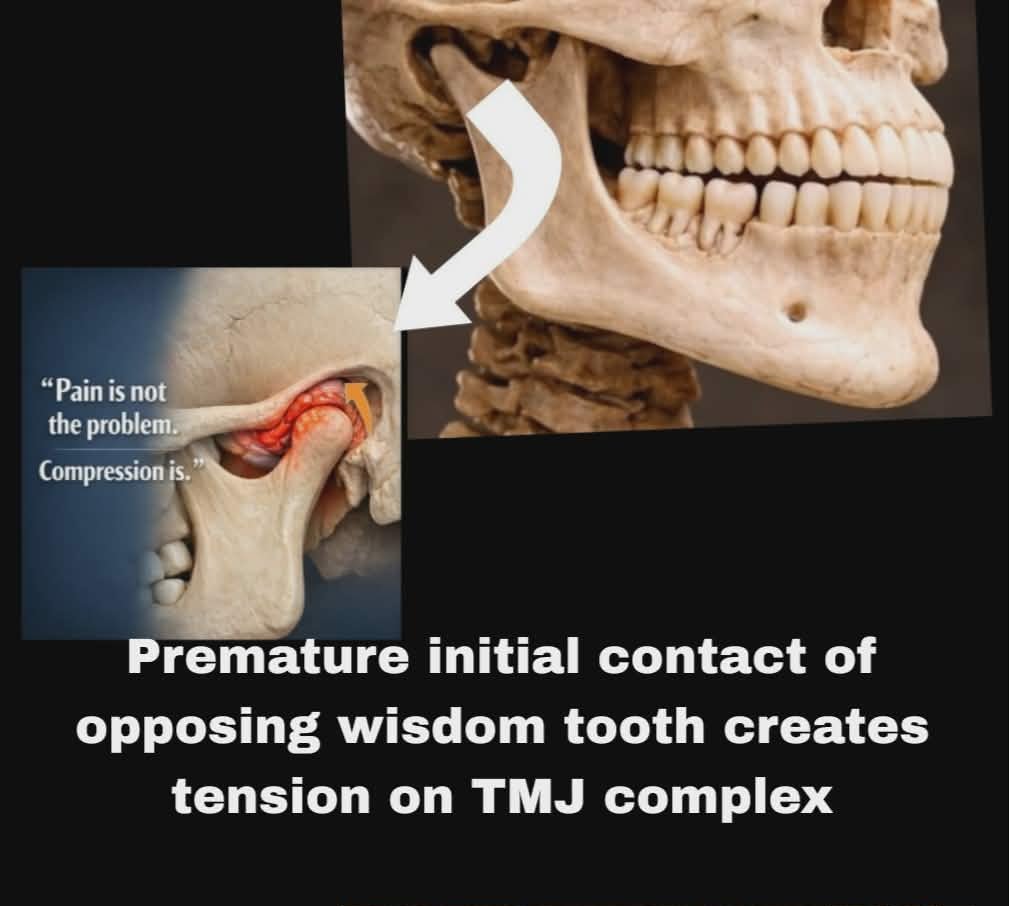
Your appointment begins with a discussion of your symptoms, medical history, dental history, medications, and any concerns you may have about treatment. The dentist then examines the wisdom tooth, surrounding gums, neighboring teeth, and relevant areas of the mouth and jaw.
Dental imaging may be recommended when clinically appropriate. An image can help the dentist assess factors that cannot be fully evaluated by looking inside the mouth, including the tooth’s position, root formation, nearby teeth, surrounding bone, and other anatomical structures.
After evaluating the available information, the dentist will explain whether the tooth may be monitored, treated, removed, or referred for additional care. If extraction is recommended, you will receive information about the proposed procedure, relevant risks, preparation, aftercare, and expected fee.
Routine Extraction vs. Surgical Wisdom Tooth Removal
The way a wisdom tooth is removed depends on its position, how much of it has erupted, and the surrounding anatomy.
| Routine Extraction | Surgical Removal |
|---|---|
| May be appropriate when the tooth has fully erupted and is readily accessible | May be required when the tooth is partly or completely covered by gum or bone |
| The tooth is loosened and removed from its socket | Access may be created through the gum, and a small amount of surrounding bone may need to be removed |
| The exact approach depends on the tooth and patient | The tooth may be divided into sections to allow controlled removal |
An impacted wisdom tooth is not automatically a straightforward or complex case. The treating dentist must assess the tooth before determining the appropriate approach.
What to Expect During Wisdom Tooth Extraction
Before treatment, the dentist will review the planned procedure and answer your questions. The treatment area is numbed using an anesthesia approach appropriate for your situation and the planned care.
For an accessible tooth, the dentist may carefully loosen it before removing it from the socket. If the tooth is impacted, surgical access may be needed. Depending on the case, this can involve opening the gum, removing a small amount of bone that blocks access, or dividing the tooth into smaller sections. The area is then cleaned, and stitches may be placed when appropriate.
Every extraction is different. The expected difficulty, treatment time, anesthesia plan, and recovery should be discussed with the treating dentist after your assessment. No dental procedure is entirely free of risk, but understanding the treatment and following your dentist’s instructions can help you prepare properly.
Recovery and Aftercare
Some bleeding, swelling, tenderness, and jaw stiffness can occur after wisdom tooth extraction. The amount and duration vary according to the individual and the complexity of the procedure. Your dentist will give you instructions tailored to your treatment; follow those instructions even if they differ from general advice found online.
Common aftercare themes may include:
- Resting and limiting strenuous activity as instructed
- Keeping the gauze in place for the recommended period
- Choosing soft foods and drinking enough water
- Avoiding actions that could disturb the blood clot in the extraction site
- Cleaning your mouth carefully according to the dentist’s directions
- Taking only medication recommended or prescribed for you
- Avoiding smoking or tobacco while the area heals
- Attending a follow-up visit when advised
The blood clot that forms in the socket protects the underlying area during early healing. If it is lost too soon, a painful condition called dry socket can develop. Contact the clinic if pain becomes severe, returns after initially improving, or does not follow the recovery pattern explained by your dentist.
Do not use this page as a personalized aftercare prescription. Your treating clinician’s instructions should always take priority.
When to Contact the Clinic After Extraction
Contact your dentist if you experience:
- Heavy or persistent bleeding
- Severe pain or pain that continues to worsen
- Swelling that becomes worse rather than gradually improving
- Fever, pus, or a persistent unpleasant taste
- Ongoing numbness or another unexpected change in sensation
- Any reaction or symptom that concerns you
Difficulty breathing or swallowing requires urgent medical attention. If you are uncertain whether a symptom is expected, it is better to contact the clinic for guidance.
How Much Does Wisdom Tooth Extraction Cost?
An accurate fee can only be provided after an assessment. The cost of wisdom tooth extraction may depend on:
- Whether the tooth has fully erupted or is impacted
- The position and shape of the tooth and its roots
- The complexity of the planned procedure
- Whether diagnostic imaging or other services are required
- The treatment and follow-up plan recommended for you
After evaluating your case, the clinic can explain the recommended treatment and associated fee before you decide how to proceed.
Wisdom Tooth Care at Ramos Dental Clinic
Ramos Dental Clinic has served patients in Angeles City since 1987. Our approach emphasizes careful evaluation, clear explanations, patient education, and treatment planning based on each person’s needs.
The clinic is conveniently located along MacArthur Highway in Balibago, Angeles City. Dental surgery and panoramic X-ray services are among the services listed by the clinic. Whether you have wisdom tooth pain or simply want to understand the position and condition of your third molars, the first step is a dental assessment.
Frequently Asked Questions
Does every wisdom tooth need to be removed?
No. Some wisdom teeth erupt normally and remain healthy. Removal may be considered when a tooth is causing disease, discomfort, damage, or another clinically significant concern. A dentist should assess the benefits and risks for your individual situation.
Can an impacted wisdom tooth cause problems without pain?
It can. Some impacted teeth may be difficult to clean or may affect surrounding structures without causing obvious pain initially. However, an impacted tooth does not automatically require extraction. Its condition and position need professional evaluation.
Will I need an X-ray before wisdom tooth removal?
Dental imaging is often useful for evaluating a wisdom tooth, but the appropriate type and timing depend on the case. Your dentist will determine whether imaging is needed after reviewing your history and examining your mouth.
How long does recovery take?
Recovery varies. Swelling, tenderness, and jaw stiffness may be most noticeable during the early days, while complete healing takes longer. The number of teeth removed, procedure complexity, general health, and adherence to aftercare instructions can all affect recovery.
What can I eat after wisdom tooth extraction?
Patients are commonly advised to begin with soft foods and avoid items that are hard, sharp, very hot, or likely to become trapped in the extraction site. Follow the specific food and drink instructions given by your dentist.
When can I return to work or school?
That depends on the procedure and the type of activity involved. Some people resume lighter routines relatively soon, while surgical cases or physically demanding work may require more recovery time. Ask your dentist for advice based on your treatment.
How much will my wisdom tooth extraction cost?
The clinic needs to assess the tooth before giving an accurate quotation. Tooth position, impaction, procedure complexity, diagnostic needs, and the recommended treatment plan can affect the fee.
Schedule a Wisdom Tooth Assessment in Angeles City
If you have pain, swelling, or concerns about a wisdom tooth, arrange an examination at Ramos Dental Clinic. We will assess the area, explain the available options, and provide a personalized recommendation before treatment.
Ramos Dental Clinic
245 IBG Plaza, MacArthur Highway, Mon Tang Avenue, Balibago, Angeles City, Pampanga 2009
0908-363-3980
0920-920-1549
appt@ramosdentalclinic.ph